Energy audits provide Australian commercial and industrial organisations with a thorough analysis of energy consumption, allowing cost reduction opportunities and increased operational efficiencies.
Even small energy inefficiencies add to significant expenses, especially in Australia, where extreme weather conditions can mean continuous running of energy-intensive HVAC systems.
Our expert auditors recommend energy audits every three years to ensure organisations are meeting energy performance targets.
Reduce operational expenditure and optimise system performance – book an energy audit today.
Your journey towards energy efficiency begins with an energy audit.
If you haven’t conducted an energy audit in the past three years, it’s the essential first step. The Australian Standard AS3598 Type 1 or Type 2 energy audits are ideal starting points. With varying degrees of accuracy, both types provide insights into your energy use profile, cost structure, and energy use breakdown. Understanding this breakdown is crucial for identifying energy efficiency opportunities and measures.
These insights reveal exactly where and how much energy is being used. Often, three or four processes or systems account for up to 80% of total energy consumption. This information highlights opportunities for energy savings, marking the beginning of your energy efficiency journey.

Audits for Australian conditions
Energy audits conducted by Piechowski Energy met rigorous Australian and international frameworks to ensure consistency and reliability, including:
AS/NZS 3598 series (2014):
- 3598.1 – Commercial buildings
- 3598.2 – Industrial and related activities
- 3598.3 – Transport-related activities.
ISO 50002:2014 – Energy audits: (aligned with ISO 50001 [Energy Management Systems]). This globally-recognised system is widely used by multi-national companies operating in Australia.
These frameworks allow organisations to report energy and emissions performance under ESG frameworks and meet compliance obligations.
How building tuning ensures continual improvement
Energy audits conducted by Piechowski Energy met rigorous Australian and international frameworks to ensure consistency and reliability, including:
Finetuning your building’s energy consumption is known as building tuning and is recommended for organisations that operate large, complex or continuously used facilities such as:
- Industrial sites such as factories and warehouses where HVAC or lighting are often left running continuously.
- Retail centres and supermarkets with extended trading hours.
- Commercial offices where HVAC and lighting often run outside business hours.

FAQ
Questions about energy audits for Australian organisations? Read our FAQ section, or contact us for more information.
Energy audits help medium to large organisations improve energy efficiency, running costs, compliance and project prioritisation. Having actionable insights allows CFOs, sustainability managers and operation managers to reduce operational expenses while meeting regulatory requirements.
Building tuning involves optimising current systems, such as HVAC and lighting, to meet energy efficiency goals. This is usually a continual effort to monitor, refine, and improve energy use across a business or organisation’s most resource-intensive areas.
When Piechowski Energy engineers are on site, they operate under your site’s safety management system. Where required, we complete permits-to-work (PTW), inductions, and risk assessments in advance. All monitoring and inspections are conducted in accordance with WHS regulations.
Piechowski Energy engineers require supervised access to various areas of your building, such as plant rooms, switchboards, production lines, HVAC plant, and lighting systems.
After an initial walkthrough to note equipment energy consumption, the technician may install compact, non-invasive portable data loggers on relevant equipment.
Having access to BMS reports, utility invoices and production schedules helps us build a better picture of overall energy use.
- On-site audits can take up to two to three days depending on the site complexity, but often they can take less than a day
- Analysis and preparation of a report can take up to four weeks
- Audits are concluded with a client presentation.
Yes. After the audit is complete, the engineer will provide recommendations of energy efficiency upgrades including options such as installing variable speed drives on large motors, updating control strategies, or upgrading mechanical services, such as compressed air systems.
We provide bespoke concept designs for your organisation, estimate implementation costs, and calculate the expected return on investment (ROI) to help you assess the viability of upgrade options.
We work with medium to large organisations throughout Australia in a variety of industries, including supermarkets, domestic airports, leading hotels, and food and chemical processing plants. Learn more by reading our case studies.
Our services are designed to partner with:
Case Studies
Sewerage Treatment Plant – Biogas Co-generation System Feasibility Study
More Details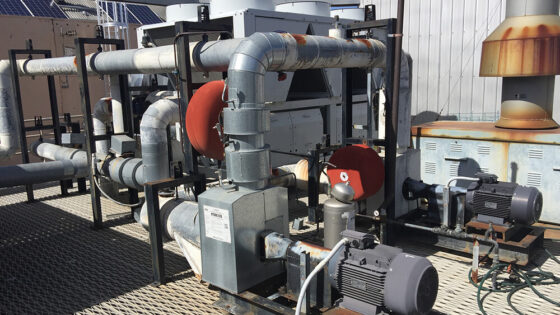
Hotel – Heating Hot Water System Upgrade
More Details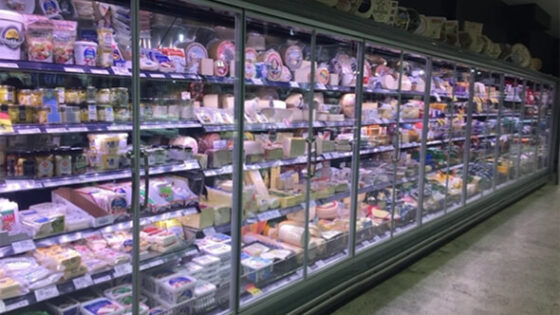
Supermarket – Refrigeration System Upgrade
More Details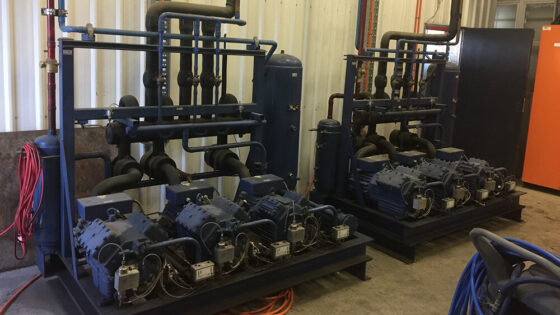
Food Processor – Refrigeration Heat Recovery
More Details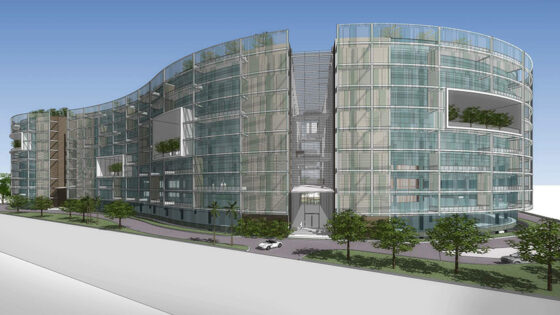
Marvel Edge
More Details
Dubai Pearl
More Details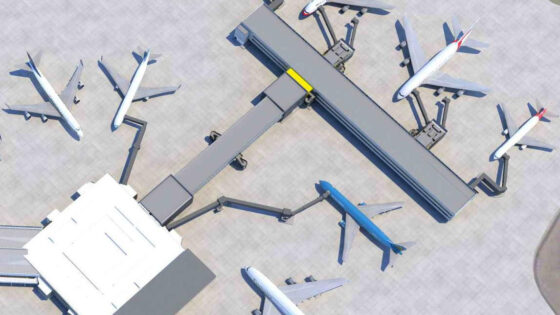
Melbourne Airport Expansion-Project Gates & Project 2
More Details